Home › HOA and Multifamily Screen Services
Naples Screening offers HOA and multifamily screen services in Naples, FL for condos, apartments, and managed communities. We provide bulk repairs, rescreening, and new installations across many units, coordinated through property managers and boards. Standardized materials and pricing help keep properties consistent and budgets predictable.
Naples Screening provides professional hoa screen services throughout Naples, FL, Florida and the surrounding area. Our licensed, insured crew delivers safe, clean, on-time work with a free estimate before anything begins. Call 239-893-6157 or request your free quote.
HOA and Multifamily Screen Services in Naples, FL
HOA and multifamily properties in Naples need screen systems that look consistent, hold up to coastal weather, and are easy to maintain across dozens or hundreds of units. Naples Screening focuses specifically on HOA screen services and community-wide solutions, not just one-off repairs.
For associations, the priority is usually uniform appearance and predictable costs. We work with boards, property managers, and CAM-licensed managers to set clear screen specifications, materials, and color standards so every lanai, balcony, and pool cage matches the community guidelines. That reduces violations, arguments with owners, and surprise expenses.
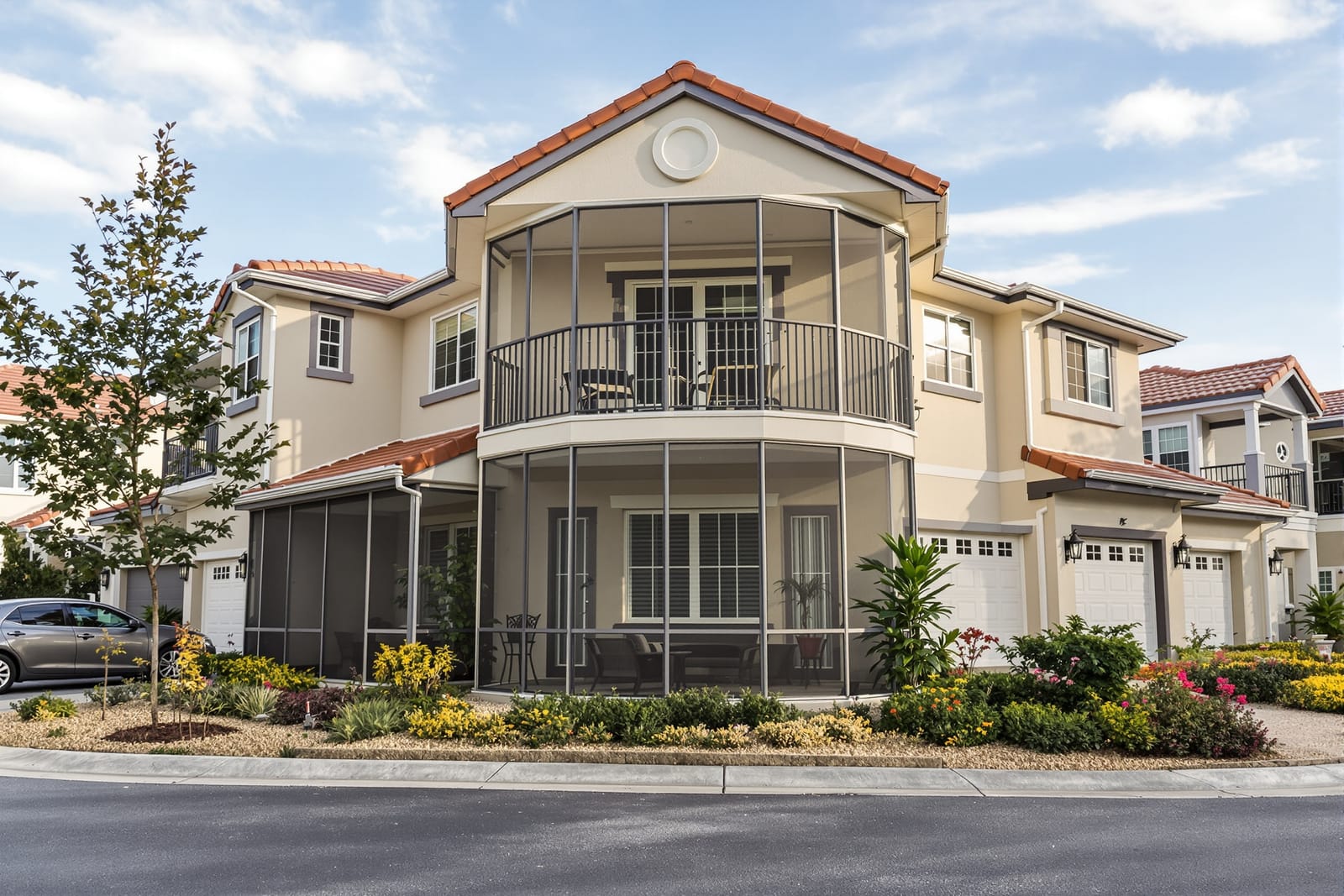
Our team handles full complexes, from ground-floor lanais and patios to upper-story balconies and shared pool enclosures. We schedule work building by building, post clear notices, and coordinate access so residents know exactly when we will be in their area. Naples Screening is used to working in tight parking lots, gated entries, and seasonal-occupancy communities that are common in Naples and nearby areas like North Naples and Golden Gate.
How Our HOA Screen Projects Actually Work
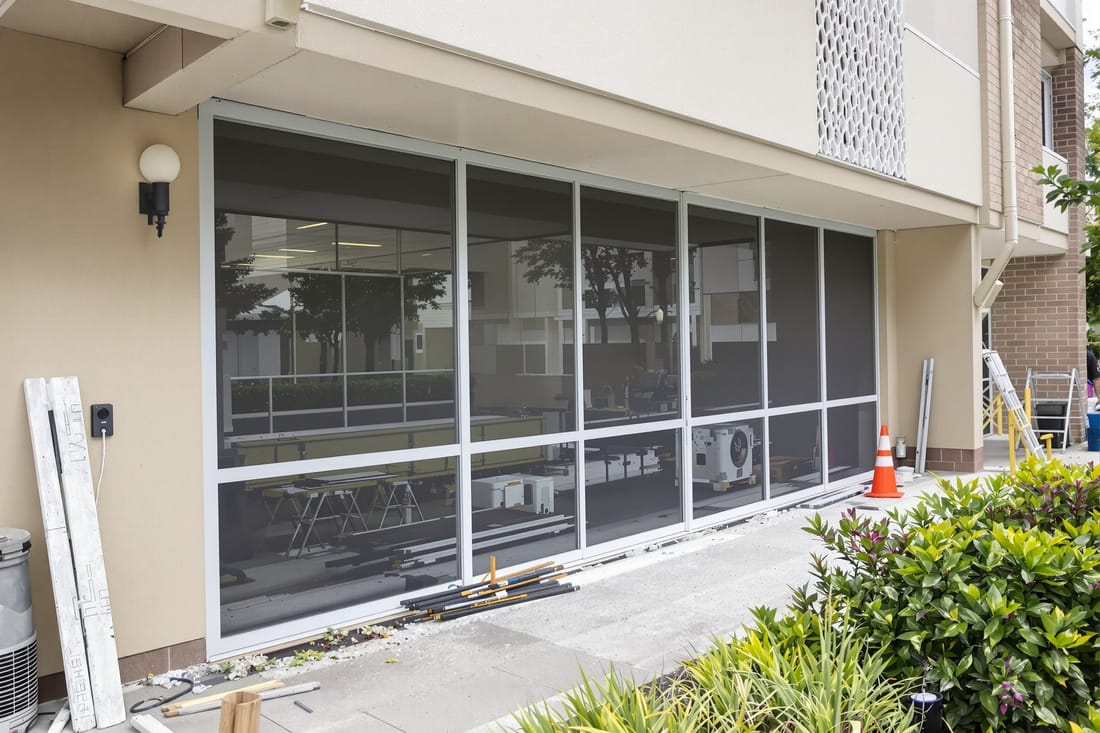
Most HOA and multifamily projects start with a walk-through of the property. Naples Screening inspects a sample of lanais or balconies, shared pool cages, stairwell enclosures, and entry screens. We look for frame corrosion, blown-out panels, damaged fasteners, and structural issues, then group the needs into: minor repair, partial rescreen, or full rescreen / rebuild.
Next, we give the board or property manager a written scope broken out by building or stack. This typically includes unit counts, square footage estimates, existing frame condition, and recommended screen types. For older buildings, we call out code or safety concerns, like rusted fasteners on elevated balconies or loose screen doors on common walkways.
Once the scope is approved, we create a production schedule that fits the property. In Naples, multifamily work is often staged during slower traffic times, usually mid-morning to mid-afternoon, to avoid early and late noise. We also factor in snowbird season. If the goal is to minimize disruption, off-season from late April through early October is usually the best time to tackle complex-wide rescreening.
During the work, we log each unit completed and any frame issues we uncover that were not obvious from the ground. Property managers get progress updates in plain language, for example: Building C, 20 lanais completed, 3 frames recommended for replacement within 12 months. That way, you have documentation that supports future capital planning and budgeting.
Screen Materials and Design Standards for Communities
For HOA screen services, consistency matters as much as durability. Naples Screening helps associations pick a specific material set and keeps it on file, so any future repairs automatically match what was originally approved.
Common choices for lanai and balcony screens include standard 18/14 fiberglass mesh for typical insect control, 20/20 fine mesh for no-see-ums that are common near canals and mangroves, and heavier-duty polyester or pet-resistant mesh in ground-floor units where claws and golf balls are more of an issue. For shared pool cages and courtyards, we often use larger-panel systems with reinforced spline channels so they handle wind and debris better.
Color is usually charcoal or black for the mesh, with white or bronze frames, depending on the building design. We advise boards on what holds up better in the Naples sun and salt air. Dark meshes typically improve visibility looking out and help hide minor dirt, while lighter meshes can show mildew sooner in shaded areas.
If your HOA has view restrictions, for example on golf courses or water views, we discuss how different mesh types affect visibility. We can provide a small on-site sample display so board members and residents see the difference rather than guessing from a brochure. Once a standard is chosen, we document the brand, mesh count, spline size, and frame color, which reduces disputes about whether a particular unit matches the community standard.
Common Issues in Naples HOAs and How We Address Them
Naples properties deal with particular screen problems: sun-brittle mesh, frame corrosion from Gulf humidity, mildew in shaded lanais, and wind damage from summer storms and tropical systems. Naples Screening structures HOA screen services around these local realities.
On older buildings near the coast, the frames may look acceptable from a distance but the fasteners are often rusted through. During rescreening, we check screws, clips, and anchor points. If we find critical corrosion, we flag those units for frame repair or replacement and give the property manager photos so they can prioritize safety issues.
Another frequent problem is mismatched repairs from different vendors over the years: some units with privacy screen, others with standard mesh, some with gray, others with charcoal. We start by resetting a baseline standard and then phase work so each building or tier matches by the time we are done. For HOAs that want privacy screens only in specific locations, like first-floor lanais facing parking areas, we help write clear guidelines that still keep the overall look consistent.
Pet damage and golf ball tears are also common in multifamily communities in Naples. We can designate certain buildings or specific ground-floor stack numbers to receive pet-resistant or heavier mesh, while upper floors use standard mesh to control cost. This tiered approach gives boards a practical way to address recurring damage instead of paying for the same repairs every season.
Pricing, Bids, and What Drives Cost
HOA screen services pricing is driven mainly by total square footage, access difficulty, frame condition, and the type of mesh selected. Naples Screening breaks estimates down so boards and property managers can see exactly where the money is going.
For a typical building, we measure or calculate screen square footage by unit and by common area. Elevated lanais that require special ladders, staging, or lift equipment cost more per square foot than ground-level patios. If there is limited parking or strict access windows, we factor in extra labor time so the schedule remains realistic.
Mesh type is the next major factor. Standard 18/14 fiberglass is the most economical, fine no-see-um mesh costs more, and heavy-duty or pet-resistant mesh costs the most. On large projects, we often present two or three mesh options with total project cost for each, so the board can make a clear decision about the tradeoff between durability and price.
Frame repairs or replacement are priced separately from basic rescreening. If the association wants to spread costs out, we can prioritize rescreening now and create a second-phase proposal for frame and hardware replacement over the next few years. This helps keep assessments more manageable while still addressing the most urgent issues first.
Scheduling, Access, and Working With Boards & Managers
Multifamily work requires more coordination than a single home. Naples Screening builds project plans that fit how HOAs actually function. After approval, we provide a detailed schedule by building or stack, along with resident notices that managers can email or post. Notices clearly state expected work dates, access needs, and preparation steps, such as clearing furniture away from screens inside the lanai.
We typically schedule larger projects outside the peak of hurricane season whenever possible, usually late fall through early summer. However, Naples weather is workable year-round, so if a storm season causes damage, we can prioritize critical repairs even in the summer. We monitor forecasts daily and avoid opening large sections of screening when high winds or heavy rain are predicted.
On-site, our crews wear identifiable shirts and follow sign-in procedures at the management office when required. We can work with gate codes, call boxes, or guardhouses that are common in Naples gated communities. For buildings with elevator access controls, we coordinate with maintenance staff so our team can move between floors without constant interruptions.
For the board and property manager, the goal is to avoid surprises. We provide status updates during longer projects and a simple closeout report at the end that lists work completed and any additional issues discovered. This helps with future budgeting and provides a clear record in case ownership changes or new board members come in later and need to know what was done.